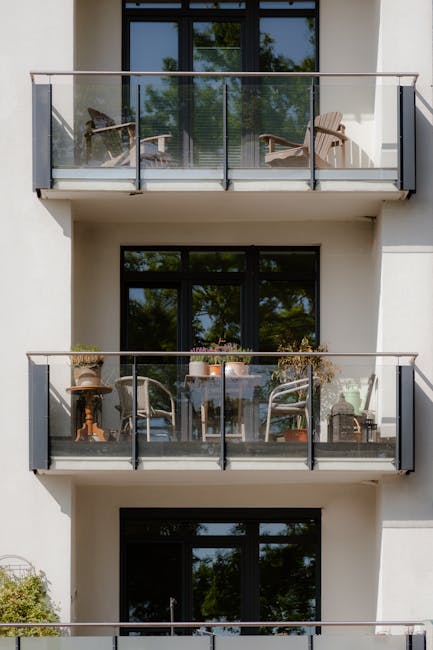
Surrey Quays garden services for balconies and courtyards
If you live in Surrey Quays, you already know outdoor space is precious. A balcony can become your morning coffee spot. A courtyard can go from awkward and overlooked to calm, tidy, and genuinely inviting. The challenge is that small urban spaces need a different kind of care. Surrey Quays garden services for balconies and courtyards are all about making compact outdoor areas look better, work harder, and stay manageable through the seasons.
That might mean container planting, regular tidying, lightweight landscaping, jetting away grime from paving, trimming back tired growth, or simply setting up a maintenance routine that fits the space you actually have. In short: less guesswork, more enjoyment. And yes, even the tiny spaces can feel like a proper garden when they're handled well.
This guide walks through what those services involve, who they suit, what to expect, and how to avoid the usual mistakes that make balconies and courtyards harder work than they should be.
Why Surrey Quays garden services for balconies and courtyards Matters
Small outdoor spaces in Surrey Quays are rarely simple. You might be dealing with shade from surrounding buildings, wind tunnels between blocks, drainage that is a bit temperamental, or just the reality of not having much room to move around. A balcony can collect leaf litter and dust fast. A courtyard may stay damp longer than you expect. Let's face it, a space this size can look "fine" one week and tired the next.
That is why specialist garden care for balconies and courtyards matters. These areas are not mini versions of a full garden. They need a more thoughtful approach: lighter materials, container-friendly planting, tidy edges, and maintenance that works around access and storage limits. If you want the space to feel pleasant rather than cluttered, the details matter more than people think.
There is also a lifestyle side to it. Many local residents use balconies as a place to unwind after work, while courtyards often act as shared or semi-private spaces where first impressions count. A neat, well-planted area can change how a flat feels. A messy one, unfortunately, does the opposite. You notice it every time you step outside.
For larger, more mixed outdoor projects, it can help to understand the wider range of available garden services, especially if your balcony or courtyard needs a blend of maintenance and light redesign.
How Surrey Quays garden services for balconies and courtyards Works
Good balcony and courtyard care usually starts with a practical assessment. What is the surface made of? How much sun does the space get? Is there drainage? Are plants exposed to wind, reflected heat, or salty air if the area is more open? These questions sound small, but they shape everything that follows.
From there, a service may include regular upkeep or one-off improvement work. Typical tasks include pruning container plants, refreshing compost, removing weeds from pots or paving joints, sweeping debris, cleaning surfaces, and checking for plants that have simply outgrown their place. Sometimes the space only needs a tidy reset. Other times it needs a bit more structure.
In practical terms, the workflow often looks like this:
- Inspect the space for access, hazards, drainage, plant health, and surface condition.
- Agree on priorities such as maintenance, planting, clearance, or redesign.
- Choose suitable materials that are light enough and safe for the structure.
- Carry out the work in a way that keeps the area tidy and usable.
- Set a follow-up routine so the space does not slide back into disorder.
That last step is the one people often miss. A balcony or courtyard can look excellent right after work is done, then drift again because nobody planned the next month. A sensible schedule prevents that. Not glamorous, maybe, but it works.
Some spaces also benefit from support beyond planting and tidy-ups. If your courtyard includes timber features, for example, decking services may be useful where surfaces need repair, replacement, or a cleaner finish that suits compact outdoor living.
Key Benefits and Practical Advantages
The obvious benefit is visual improvement. A smaller outdoor area can look transformed with very little intervention when the layout is right. But the real value goes deeper than appearance.
- More usable space: Clear pathways, lighter containers, and better layout make the area feel bigger.
- Easier upkeep: A sensible planting plan cuts down on constant fiddling.
- Better plant health: The right mix of species and compost improves resilience.
- Safer surroundings: Less clutter means fewer trip risks, less slipping, and fewer wobbly pots.
- Improved privacy: Strategic planting or screening can soften views without overwhelming the space.
- Better seasonal interest: Even a tiny courtyard can have year-round colour if it is planned well.
There is also a quiet emotional benefit. People often underestimate how much a neat outdoor space affects the mood of a home. Open the door on a wet Tuesday morning and see a well-kept balcony with herbs, tidy planters, and clean paving, and the day starts differently. It sounds a bit much, perhaps, but it's true.
For properties that need a deeper reset before maintenance can begin, garden clearance can remove damaged, overgrown, or unwanted material so the space becomes workable again.
Who This Is For and When It Makes Sense
Balcony and courtyard garden services are a strong fit for a few types of people and properties:
- Flat owners who want a liveable outdoor corner without taking on heavy upkeep.
- Letting agents and landlords who need outdoor areas to look cared for between tenancies.
- Busy professionals who want greenery but not a second job.
- Residents with shared courtyards who need the space kept tidy, safe, and presentable.
- People with awkward layouts where pots, edges, and narrow access make standard gardening impractical.
It also makes sense when you are noticing the same signs again and again: leaves building up, drainage getting blocked, plants looking stressed, surfaces turning slippery, or containers becoming too heavy and overcrowded. If you keep meaning to sort it "next weekend" and next weekend never quite arrives, this is probably the point where a proper service starts to pay for itself.
Some courtyards need a more design-led approach, not just maintenance. In those cases, landscape gardening can help shape the space so it feels intentional rather than improvised.
Step-by-Step Guidance
If you are planning Surrey Quays garden services for balconies and courtyards, a step-by-step approach keeps things realistic. Small spaces punish vague planning. They really do.
1. Start with the surface, not the plants
Before buying more greenery, check the basics. Is the floor sound? Are there loose slabs, slippery patches, cracked tiles, or poor runoff? Fixing those issues first saves frustration later. A lovely planter is not much use if the footing underneath it feels unsafe.
2. Work out the space's microclimate
Balconies and courtyards can behave like little weather systems. One corner may get full sun all afternoon while another stays cool and shaded. Wind might dry one side out quickly. A north-facing courtyard may hold moisture for days. Once you know that, plant choice becomes much easier.
3. Reduce clutter
There is a point where containers stop adding charm and start causing hassle. Remove the broken pots, odd trays, and random extras. Keep what earns its place. You will be surprised how much bigger the area feels once the visual noise goes.
4. Choose plants that match the real conditions
Go for species suited to the light, wind, and maintenance level you can realistically manage. It is better to have three healthy containers than eight stressed ones. Honestly, this is where many people overreach.
5. Build a manageable care routine
Decide how often the space needs attention. For some balconies, a fortnightly tidy-up is enough. For courtyards with more planting or foot traffic, weekly visits may make more sense. Include watering, deadheading, sweeping, checking drainage, and occasional soil refreshes.
6. Review the space across the seasons
What works in July may not work in November. Wind, damp, and reduced light change the way compact gardens behave. A good service plan does not just fix the present; it anticipates the next season before it arrives. That bit saves a lot of trouble.
Expert Tips for Better Results
After looking after compact outdoor spaces for a while, a few things become very clear. The smartest improvements are usually the simplest.
- Use fewer, larger containers rather than too many tiny ones. They look calmer and often retain moisture better.
- Keep a small palette of materials. Repeating one or two finishes makes the space feel designed, not busy.
- Choose plants for structure as well as colour. Evergreen form helps the space look good even when flowers are resting.
- Do not ignore water weight. Wet compost, large pots, and tall planters add up fast on balconies.
- Prioritise easy access. If a plant is impossible to reach, it will become a problem sooner or later.
One practical trick: treat the outer edges of a balcony or courtyard as visual boundaries. A tidy edge makes the whole area feel more intentional. It is a small thing, but small things carry a lot of weight here.
If you are dealing with overgrown borders, hedge lines, or screening plants around a ground-floor courtyard, hedge trimming can help restore shape without making the area feel stripped bare.
And a slightly cheeky but true point: if a plant has been "nearly dead" for six weeks, it probably is dead. Sometimes the kindest thing is to replace it.
Common Mistakes to Avoid
Compact spaces have their own trapdoors. Here are the ones that cause most of the frustration.
- Buying plants without checking light conditions. A sun-loving plant in a shaded courtyard usually looks sorry for itself.
- Overcrowding the space. Too many pots make maintenance awkward and reduce visual calm.
- Ignoring drainage. Water sitting under containers can damage surfaces and weaken plants.
- Using heavy materials unnecessarily. Weight matters on balconies, even when the space feels sturdy.
- Forgetting seasonal maintenance. A courtyard can look tidy in spring and unruly by late summer if no routine is in place.
- Mixing too many styles at once. The result often feels accidental rather than cohesive.
Another common issue is assuming the same approach works for every property. A high balcony facing strong wind needs a different setup from a sheltered courtyard with damp corners. That sounds obvious, but in practice it gets missed all the time.
Tools, Resources and Recommendations
You do not need a truckload of equipment to keep a balcony or courtyard in shape. In fact, that would be part of the problem. The best tools are usually the ones that make routine work quicker and cleaner.
| Need | Useful approach | Why it helps |
|---|---|---|
| Regular tidying | Hand tools, small broom, lightweight trug | Keeps the space manageable without crowding storage |
| Plant care | Watering can, secateurs, compost top-up | Supports healthy growth in containers |
| Surface upkeep | Soft brush, appropriate cleaner, careful rinsing | Reduces dirt build-up and slipping risk |
| Layout control | Planters, stands, small screens | Helps define the area without heavy construction |
| Reset jobs | Clearance support and waste removal | Useful when the space has become cluttered or overgrown |
For routine care, a broader garden maintenance service can be a good fit because balconies and courtyards often need regular, lighter-touch attention rather than major intervention.
If the work involves small planting schemes, seasonal refreshes, or shaping a courtyard into a more polished outdoor room, landscaping may be the better option. It depends on the goal. Clean-up, or change? Sometimes both.
Law, Compliance, Standards, or Best Practice
For balconies and courtyards, safety and sensible practice matter as much as appearance. That is especially true in flats, shared buildings, and managed properties. You do not want a beautiful space that creates maintenance or access problems.
In the UK, the most practical concerns are usually straightforward:
- Weight loading: Balconies are not the place for guesswork with heavy planters, large water features, or oversaturated compost.
- Drainage: Water should not pool where it might stain surfaces, cause damp, or create slip hazards.
- Access and escape routes: Shared courtyards and balcony routes should not be cluttered.
- Fire awareness: Flammable materials, barbecues, or blocked areas can be a concern in communal settings.
- Waste handling: Green waste and removed materials should be disposed of responsibly.
Best practice is usually more useful than rigid rules here. Keep pots stable. Leave clear walking space. Choose materials that are suitable for the structure. If there is any doubt about a larger installation, it is wise to be cautious and seek appropriate professional input before adding weight or altering the layout.
Good contractors should also be clear about safety, insurance, and how they work on site. If you want to understand that side properly, the pages on insurance and safety and health and safety policy are useful reference points. For businesses and landlords who care about service standards and delivery, about us can help you understand the people behind the work.
Options, Methods, or Comparison Table
There are a few ways to manage a balcony or courtyard. The best one depends on how much time you have, how much change you want, and how developed the space already is.
| Approach | Best for | Pros | Trade-offs |
|---|---|---|---|
| Light maintenance only | Spaces already in good condition | Low cost, simple, keeps things tidy | Limited improvement if layout is weak |
| Maintenance plus seasonal refresh | Residents who want variety | Fresh colour, better planting balance | Needs occasional updating |
| Clearance and reset | Overgrown or cluttered areas | Creates a clean base to rebuild from | Can feel bare at first |
| Light landscaping or redesign | Problem layouts or underused areas | Improves function and appearance | Requires planning and budget |
If you are unsure which route to take, start with the minimum intervention that solves the actual problem. That is usually the sensible one. Not always the exciting one, fair enough, but sensible wins more often than not.
Case Study or Real-World Example
Picture a Surrey Quays courtyard that had become a bit neglected over time. The plants were a mixed bag, some pots were cracked, leaves had gathered along the edges, and the paving looked dull. Nothing dramatic. Just enough to make the whole space feel like a task rather than a perk.
The first step was to clear the clutter, remove dead growth, and sort the containers into three groups: keep, replace, and rethink. After that, the layout was simplified. A couple of heavy planters were repositioned, the surface was cleaned, and the planting scheme was trimmed back to a few hardy, reliable species with seasonal highlights.
The result was not flashy. It did not need to be. The courtyard became easier to use, easier to maintain, and much more pleasant to step into on a grey evening. That is often the real win with compact spaces. You do not need drama. You need calm, usable order.
For similar spaces that need a fuller tidy before the real work begins, garden clearance can make the difference between patching over problems and actually fixing them.
Practical Checklist
Use this checklist before you book work or start improving the space yourself:
- Check how much sun, shade, and wind the area gets.
- Look for drainage issues, damp patches, or standing water.
- Decide whether the space needs maintenance, clearance, or redesign.
- Remove broken pots, dead plants, and clutter that does not serve a purpose.
- Choose lightweight, structure-friendly materials where needed.
- Keep walkways and access points clear.
- Use containers and plants that suit your actual time for upkeep.
- Plan for seasonal changes, not just the current month.
- Make sure waste removal is included or arranged properly.
- Set a follow-up schedule so the space stays manageable.
A simple checklist can save a lot of back-and-forth later. Tiny spaces are brilliantly honest that way.
Conclusion
Surrey Quays garden services for balconies and courtyards are really about making small outdoor spaces feel intentional, tidy, and easy to live with. Whether you need regular maintenance, a proper reset, or a more thoughtful layout, the right approach will respect the space you have instead of trying to force it into something it is not.
The best results come from practical choices: suitable plants, manageable routines, lightweight materials, and a clear eye for safety and access. Do that well, and even a modest balcony or courtyard can become one of the nicest parts of your home.
And once it is sorted, you will probably find yourself using it far more than you expected. Morning light, a bit of fresh air, maybe the sound of rain on a railing. Simple things. They matter more than we admit.
Get a free quote today and see how much you can save.
If you are ready to take the next step, explore the available pricing and quotes information, or get in touch through the contact page when you are ready to talk through your balcony or courtyard.
Frequently Asked Questions
What do Surrey Quays garden services for balconies and courtyards usually include?
They often include tidying, plant care, container management, surface clearing, light pruning, seasonal refreshes, and sometimes redesign or clearance. The exact service depends on the space and what is already there.
Can a balcony really support proper planting?
Yes, but the planting needs to suit the structure and conditions. Lightweight containers, well-draining compost, and sensible plant selection are usually the starting point. Heavy features should be treated carefully.
How often should a courtyard be maintained?
It depends on use and planting density. Some courtyards only need monthly upkeep, while others benefit from weekly or fortnightly attention. If leaves, weeds, or moisture build up quickly, a tighter routine is usually better.
What is the difference between garden maintenance and landscaping for a small outdoor space?
Maintenance keeps the space tidy and healthy. Landscaping changes its structure, layout, or overall design. For many balconies and courtyards, both can be useful at different stages.
Do small courtyard gardens need clearance work first?
Sometimes they do. If the area has become cluttered, overgrown, or difficult to use, clearance makes everything easier to manage. It is often the most practical way to start fresh.
Are there special safety concerns for balcony gardens?
Yes. Weight, drainage, stability, and clear access are the main things to watch. A balcony should never be overloaded with heavy planters or awkward items that can topple.
What plants work best in Surrey Quays balcony and courtyard spaces?
That depends on sun, shade, and wind exposure. The best plants are usually the ones matched to the actual microclimate rather than the prettiest option in the shop. A good service should look at that properly.
Can a cramped courtyard still look stylish?
Absolutely. In fact, small courtyards often benefit most from a restrained approach. Fewer materials, better spacing, and a clear planting theme can make the area feel calmer and more expensive-looking.
How do I keep maintenance costs under control?
Focus on a manageable planting plan, limit clutter, and set a routine before problems build up. Preventive care is usually cheaper and less stressful than waiting for a full reset every time.
Should I choose seasonal refreshes or one-off work?
If the space already works well, seasonal refreshes may be enough. If it has problems with layout, clutter, or neglected planting, one-off improvement work may be the better first step. Many people use both over time.
What should I ask before booking a service?
Ask what is included, how waste will be handled, whether the space will be checked for drainage or access issues, and how they approach compact or shared outdoor areas. Those questions usually tell you a lot.
Where can I learn more about the wider service options?
You can review the full range through the services overview, or read more about the company's approach on the about us page.