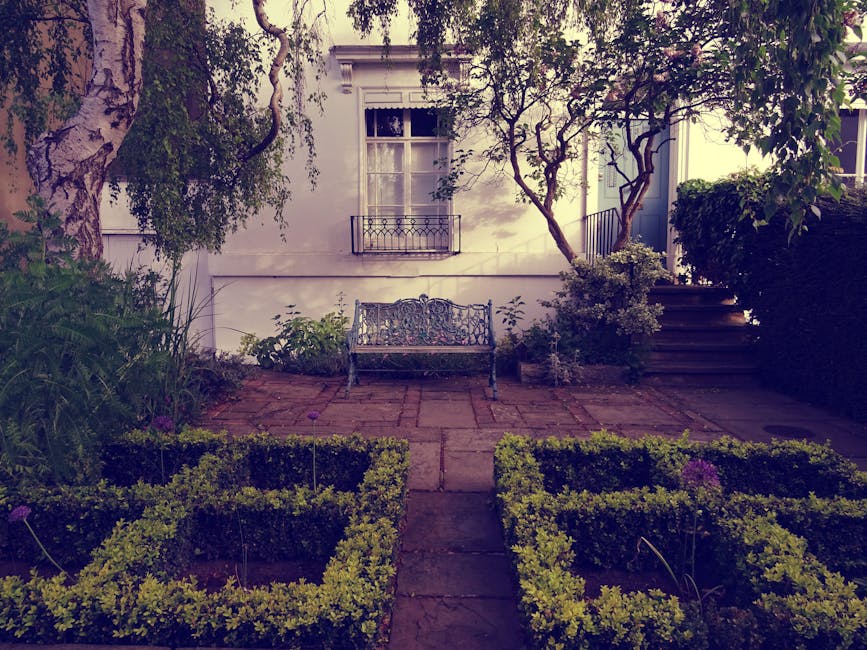
Best gardeners in Rotherhithe for small London gardens
Small London gardens are a funny thing. They can feel too tight for big ideas, yet somehow too valuable to ignore. In Rotherhithe, where outdoor space is often compact, overlooked, or just a bit awkward, the right gardener can make a tiny plot feel calm, usable, and properly cared for. If you are comparing the best gardeners in Rotherhithe for small London gardens, this guide will help you understand what matters, what to ask, and how to spot real quality rather than polished sales talk.
You do not need a vast lawn or a designer courtyard to benefit from professional help. Often, it is the smaller spaces that need the most thought: narrow access, shade from nearby buildings, overgrown edges, patchy planting, or a patio that never quite feels finished. The good news? With the right approach, even a modest garden can become one of the best rooms in the house. Outside, yes, but still a room.
This article walks through how small-garden gardeners work, the benefits of choosing local specialists, common mistakes to avoid, and the practical checks that make hiring easier. You will also find a comparison table, a real-world style example, and a checklist you can use before booking. If you want to explore the wider service range first, the services overview is a useful place to start.
Table of Contents
- Why the right gardener matters in a small London garden
- How small-garden gardening works in practice
- Key benefits and practical advantages
- Who this is for and when it makes sense
- Step-by-step guidance
- Expert tips for better results
- Common mistakes to avoid
- Tools, resources and recommendations
- Law, compliance, standards, and best practice
- Options, methods, and comparison table
- Case study or real-world example
- Practical checklist
- Conclusion
- Frequently asked questions
Why the right gardener matters in a small London garden
Small gardens are less forgiving than large ones. There is nowhere to hide a messy edge, an overgrown hedge, or a tired patch of lawn. In a compact Rotherhithe garden, every square metre has to work hard, and that means the gardener needs to understand proportion, maintenance cycles, and how London conditions affect planting and layout.
That sounds a bit technical, but the point is simple: a good gardener does not just cut things back. They help the space breathe. They know when to trim, when to reshape, when to thin out, and when to leave something alone. In a small garden, one bad decision can make the whole area feel cramped. One good decision can make it feel twice the size. Strange, but true.
Rotherhithe also brings a very London kind of challenge. Urban shade, built-up surroundings, wind tunnels between buildings, and limited access all shape what will actually thrive. A gardener used to larger suburban gardens may be perfectly skilled, of course, but may not naturally think in terms of container layers, vertical interest, narrow pathways, or low-maintenance planting for tight spaces. That difference matters.
Expert summary: In a small London garden, the best gardener is usually the one who sees possibilities quickly, works neatly, and understands that maintenance, access, and smart planning matter just as much as planting.
If you want a service provider that covers routine care and one-off tidy-ups, garden maintenance is often the most practical starting point, especially when your outside space needs regular, manageable attention rather than a full redesign.
How small-garden gardening works in practice
Working in a small garden is a mix of discipline and creativity. There is less room for error, fewer hidden corners, and usually a stronger need to plan around paths, doors, storage, bins, and everyday use. Good gardeners do not approach it as a "mini version" of a big garden. They treat it as its own design and maintenance problem.
Typically, the process begins with a quick assessment: how much sun the space gets, what kind of soil or containers are in play, whether there is lawn, paving, raised beds, or a mix of all three. Then comes the practical question: what do you want the space to do? Relaxing? Low maintenance? Family-friendly? Better privacy? A bit of everything? In small gardens, priorities matter more than wish lists.
A reliable gardener will often work in layers. Ground level might be kept simple and easy to walk on. Mid-height areas could use shrubs or compact planting to add shape. Vertical features, trellis, climbers, or carefully trimmed hedges can bring structure without swallowing the space. That is where services like hedge trimming and landscape gardening can really change the feel of a garden.
There is also the maintenance rhythm. Small gardens often need lighter but more frequent care. A lawn might need neat, regular mowing rather than occasional heavy cutting. Borders may need tidying before plants start to flop. Leaves, weeds, and cuttings build up fast in tight spaces. To be fair, that is usually the difference between a garden that looks "always nice" and one that only looks good for two days after a big tidy-up.
For gardens that have become cluttered, leaf-strewn, or heavily overgrown, garden clearance may be the right first step before maintenance can really begin.
Key benefits and practical advantages
Choosing a gardener who genuinely understands small London gardens brings benefits that go beyond appearances. The obvious one is neatness, but the real value is in making the space easier to live with.
- Better use of limited space: Every area is planned with purpose, so the garden feels intentional rather than crowded.
- Lower ongoing effort: Sensible planting and maintenance reduce the amount of catch-up work later on.
- Improved visual balance: Small spaces often look better when clutter is removed and shape is introduced carefully.
- Healthier plants: The right pruning, feeding, spacing, and watering habits make a visible difference.
- Safer access: Clear paths, tidy edges, and sensible trimming reduce trip hazards and awkward movement.
- Better privacy and comfort: Careful hedge work and layout choices can make a garden feel more sheltered.
There is also the emotional side. A small garden can be a pressure release after a busy day. You open the back door, step out with a mug of tea, and suddenly the place either calms you or annoys you. That feeling is not trivial. A well-kept space changes how you use your home.
For homeowners who care about presentation, regular mowing, edging, and tidy boundaries make a huge difference. If a lawn is part of the space, lawn mowing is one of the simplest ways to keep a small garden looking sharp without overcomplicating the whole thing.
And if you want a bit more structure underfoot, perhaps a seating zone or practical entrance area, it can be worth looking at decking services as a compact design solution rather than trying to cram in too many separate features. Less can absolutely be more. Usually is, in small gardens.
Who this is for and when it makes sense
This service makes sense for anyone in Rotherhithe who wants their small outdoor space to feel manageable, tidy, and genuinely usable. That includes flat owners with courtyards, homeowners with narrow back gardens, landlords wanting a property to present well, and busy families who do not want gardening to become another weekend job.
It is also a strong fit if your garden has one of these problems:
- plants that have become too large for the space
- patchy lawn that never seems to recover
- limited access for carrying tools or waste
- deep shade or awkward sunlight patterns
- hedges or shrubs growing into paths and boundaries
- an outside space that has drifted into "tidy later" territory
Sometimes the need is not dramatic. Maybe the garden is basically fine, but it lacks a bit of structure and regular care. That is exactly where a thoughtful gardener can help. You do not need a major project. A few well-judged improvements can be enough. Truth be told, that is often the smarter route in London.
If you are not sure whether you need ongoing care or a one-off transformation, browse the broader landscaping and maintenance options first, then decide whether the issue is upkeep, design, or both.
Step-by-step guidance
If you are trying to choose the right gardener for a small London garden, a simple process works best. Rushing usually leads to disappointment. A calm, ordered approach is better.
- Define the problem clearly. Is the garden overgrown, poorly arranged, hard to maintain, or simply lacking character?
- Decide what matters most. Do you want low maintenance, more seating space, better privacy, or a neater finish?
- Check relevant services. Look at whether you need routine care, hedge trimming, clearance, lawn work, or a fuller redesign.
- Ask how access will be handled. Small London gardens often have tight side passages, shared access, or awkward waste removal considerations.
- Ask what the first visit involves. A proper service should start with observation, not guesswork.
- Request a clear quote. The scope should be explained in plain language so you know what is included.
- Agree a maintenance rhythm. Weekly, fortnightly, monthly, or seasonal visits all suit different spaces.
A practical detail many people forget: the best gardener for a small space is not always the one who promises the biggest transformation. Often, the best person is the one who understands the pace of the garden and the reality of your time. Neat, manageable, repeatable. That matters more than flashy talk.
If you want to compare what regular upkeep versus one-off work looks like, the garden maintenance page can help set expectations before you book anything.
Expert tips for better results
Here are the habits that usually separate a decent result from a really good one. Nothing magical. Just the stuff that tends to work.
- Keep the palette simple. In small gardens, too many plant types can look busy in a bad way.
- Use vertical space carefully. Climbers and wall-trained plants can add depth without eating the floor area.
- Choose plants for the light you actually have. Not the light you wish you had on a lovely June afternoon.
- Leave movement space. A cramped path makes even a pretty garden feel awkward.
- Trim before things become a problem. A small amount of regular care is easier than a rescue job.
- Think in seasons. What looks good in spring might feel crowded by late summer if nobody keeps an eye on it.
One of the most useful expert habits is to work from the edges inward. Clean boundaries first, then the middle, then the detail. It sounds basic because it is basic, and that is why it works. A tidy edge makes everything else look more deliberate. Gardening is a bit like that.
If your garden includes surfaces or access platforms, it can also be worth pairing maintenance with a look at decking services, especially where seating or circulation needs a smarter layout.
And if you are dealing with shrubs that have become too dense, ask about selective reduction rather than just a blunt cut. Done well, trimming opens light and keeps shape. Done badly, it can leave a garden looking hacked about for months. Nobody wants that.
Common mistakes to avoid
Small gardens are easy to damage with good intentions. It happens all the time. A person buys a few plants, trims a hedge too hard, or adds too many features, and suddenly the whole space feels squeezed. Let's avoid that.
- Choosing plants that grow too large: Fast-growing shrubs can overtake a compact garden quickly.
- Overfilling the layout: Too many pots, ornaments, or raised features make the space feel smaller.
- Ignoring maintenance needs: A garden that needs weekly care should not be designed as if monthly attention will do.
- Cutting hedges or shrubs too harshly: Recovery can take longer than expected.
- Leaving clearance until the problem is severe: By then, access becomes harder and costs may rise.
- Not asking about waste removal: Clippings, soil, and debris all add up in a small space.
Another common mistake is assuming every gardener will be equally good in a compact London setting. They will not be. A person who is brilliant on a big open lawn may not be the best fit for a tiny courtyard with bins, fencing, shared walls, and not much elbow room. Different job, really.
When in doubt, ask how they would handle a garden that needs a reset before it can be maintained. If clearance is part of the job, look at garden clearance as an option rather than forcing maintenance onto a garden that is not ready for it.
Tools, resources and recommendations
You do not need a huge kit to manage a small London garden well, but the right tools do make a difference. Most good gardeners will bring what they need, of course, yet it helps to understand the basics so you can judge whether a job is being approached properly.
- Hand pruners and loppers: for clean trimming of stems and smaller branches
- Compact mower or strimmer: useful where access is tight
- Rake and leaf collector: handy for quick clearing without damaging beds
- Gloves and basic protective gear: especially for thorny or rough-edged work
- Waste bags or containers: because small gardens can still produce a surprising amount of debris
- Measuring tape or rough sketch: useful when planning layout changes in tight spaces
In real life, the most useful resource is often a clear service menu and a team that explains things plainly. If you want to understand what a provider can handle beyond routine trimming, the services overview can be useful for mapping the next step.
For people who care about waste reduction and greener practice, it is worth asking how green waste is handled and whether recyclable materials are separated where possible. You should not expect grand claims, but you can expect sensible practice. If sustainability matters to you, the page on recycling and sustainability is worth a look.
And if you are comparing providers, trust the one who explains the job without dressing it up. Fancy language is cheap. Clear thinking is what you want.
Law, compliance, standards, and best practice
Gardeners working in London should follow sensible health and safety practices, protect client property, and handle waste responsibly. For most homeowners, the main concern is not legal complexity; it is confidence that the work will be carried out carefully and that the contractor is working to a professional standard.
That means a few things in practice. Tools should be used safely. Plants, paving, fences, and drains should not be damaged. Any waste should be dealt with appropriately. Where work involves ladders, cutting equipment, or heavier clearance, the provider should have a serious attitude toward safety rather than a casual one. You can usually tell pretty quickly.
It is also sensible to ask about insurance and how risks are managed. That does not sound glamorous, but it matters. A proper gardener should be able to explain their approach to safety, especially for tasks like hedge work, clearance, or anything involving branches and elevated cutting. If you want to explore that side before booking, the page on insurance and safety sets out useful reassurance in plain terms.
For work carried out on a property, respectful conduct matters too. Neighbours, shared paths, access gates, and noise all need common sense. In a dense area like Rotherhithe, the best providers work neatly, keep disruption sensible, and leave the space as tidy as they found it, or tidier. That is standard good practice, really.
If you ever have a concern about service delivery, a clear complaints process is another sign of a well-run business. You can review the complaints procedure if you want to know how issues are handled.
Options, methods, and comparison table
Different small gardens need different kinds of help. Sometimes it is routine maintenance, sometimes it is a one-off tidy-up, and sometimes it is broader landscaping. Below is a practical comparison to help you choose without overthinking it.
| Option | Best for | What it usually includes | Typical outcome |
|---|---|---|---|
| Garden maintenance | Ongoing care for small, tidy gardens | Weeding, light pruning, mowing, general upkeep | Consistent, manageable presentation |
| Garden clearance | Overgrown or cluttered spaces | Removal of unwanted growth, debris, and buildup | A reset that makes regular care possible again |
| Landscaping | Layout changes or a more polished finish | Reworking surfaces, structure, and planting zones | A garden that feels more usable and better balanced |
| Landscape gardening | Design-led improvements in compact outdoor spaces | Planning, planting, structure, and visual balance | Cleaner proportions and stronger overall flow |
| Targeted services | Specific issues like hedges, lawns, or access trees | hedge trimming, lawn mowing, tree lopping and removal | Focused improvement where the problem is most obvious |
If your garden is only lightly neglected, maintenance may be enough. If it has gone past that point, clearance first can save time and frustration. If the layout itself is the issue, landscaping is probably the more sensible route. This is where a good gardener earns their keep: by telling you what the job actually needs, not just what they happen to sell.
For a closer look at general upkeep and how often it may be needed, revisit garden maintenance. If you are dealing with a full reset, the garden clearance page may better match what you need.
Case study or real-world example
Imagine a small Rotherhithe garden behind a flat: about the size of a modest parking space, with a narrow run of paving, a patchy lawn, two overgrown shrubs, and a tired corner where old pots have slowly multiplied. Nothing dramatic. Just enough to make the place feel like a chore every time the back door opens.
A sensible gardener would probably not start by suggesting a full redesign. More likely, they would begin by clearing clutter, shaping the shrubs, defining the edges, and deciding whether the lawn should stay or be reduced to something easier to manage. If the lawn is staying, mowing and edging become part of the routine. If not, the area could be simplified so the garden feels calmer and less fussy.
That kind of work can change daily life in a very ordinary way. You stop avoiding the space. You start sitting outside again, even if only for ten minutes in the evening. The smell of cut grass, the clean line of a trimmed hedge, the quieter look of a cleared corner - small things, but they add up.
In a case like this, the best result is not the most dramatic one. It is the one that fits the space and the way the household actually lives. A garden should not feel like a museum display. It should feel usable.
Practical checklist
Use this before you book or brief a gardener. It keeps things straightforward.
- Have I identified the main problem: maintenance, clearance, layout, or all three?
- Do I know what I want the space to do day to day?
- Have I checked whether access is tight or limited?
- Have I thought about waste removal and where clippings will go?
- Do I want regular visits or a one-off tidy-up?
- Have I looked at relevant services like lawn mowing and hedge trimming?
- Have I asked about safety, insurance, and how the job will be handled?
- Do I understand the difference between maintenance and landscaping?
- Have I reviewed pricing information before making assumptions?
- Do I feel confident the gardener understands small London spaces, not just gardens in general?
If you have ticked most of those boxes, you are in good shape. If not, no drama. Just pause and ask a few more questions. Better that than guessing.
Conclusion
Finding the best gardeners in Rotherhithe for small London gardens is really about fit. Fit for the space, fit for the way you live, and fit for the kind of upkeep you actually want to manage. The right gardener will not just improve appearances. They will make the garden easier to use, easier to maintain, and more enjoyable to step into on an ordinary Tuesday afternoon.
For compact gardens, the best results usually come from clear priorities, simple structure, regular care, and a calm eye for detail. Not everything needs to be done at once. In fact, doing less but doing it properly is often the smartest path. A small garden can feel generous when it is handled well.
If you are still weighing up options, start with the basics: maintenance, clearance, or a more structured redesign. Then choose the service that matches the real condition of the space. That is where good decisions begin, and good gardens tend to follow.
Get a free quote today and see how much you can save.
And if you want to learn more about the people behind the work, take a look at the about us page. When the fit is right, a small garden can become one of the nicest parts of home life. Simple as that.
Frequently Asked Questions
What makes a gardener suitable for small London gardens?
A suitable gardener understands compact layouts, limited access, shade, privacy needs, and the importance of neat detailing. They should be comfortable working in tight spaces without making the garden feel cluttered or overworked.
How often should a small garden in Rotherhithe be maintained?
That depends on the planting, lawn area, and how tidy you want it to look. Some small gardens benefit from weekly or fortnightly attention, while others only need seasonal visits plus a few extra touch-ups.
Is garden clearance different from garden maintenance?
Yes. Garden clearance is usually for overgrown or cluttered spaces that need a reset. Garden maintenance is ongoing care to keep a space tidy after that initial work has been done.
Can a small garden still have decking or a seating area?
Absolutely. In fact, a compact deck or seating zone can make a small garden far more usable. The key is keeping the layout balanced so the space does not feel crowded.
What services are most useful for a small London garden?
The most common needs are garden maintenance, lawn mowing, hedge trimming, clearance, and sometimes landscaping. The best choice depends on whether the garden needs regular care, a cleanup, or a redesign.
How do I know if my garden needs landscaping rather than maintenance?
If the layout itself feels awkward, the garden looks cramped, or the features do not work well together, landscaping may be the better option. If the structure is fine but the space is simply untidy, maintenance may be enough.
Are small gardens harder to maintain than larger ones?
In some ways, yes. Small spaces show every detail, so neglect is more obvious. They can also become cluttered faster, which means a cleaner routine usually matters more.
Should I ask about insurance before hiring a gardener?
Yes, that is sensible. Any professional working with tools, ladders, or heavier clearance should be able to explain how safety and insurance are handled. It is a simple question, and a good one.
What should I do before a gardener visits my small garden?
Clear access where possible, note the main problems, and decide what you want the outcome to be. If you have bins, fragile pots, or shared access issues, mention them early.
Do I need a quote for small jobs?
Usually, yes. Even a small job benefits from a clear quote so you know what is included. That avoids awkward surprises later and helps compare providers properly.
Can a small garden really look bigger after professional work?
Often, yes. Clean lines, better spacing, selective planting, and reduced clutter can make a compact garden feel more open. Not physically larger, obviously, but visually calmer and more generous.
What is the best first step if my garden is badly overgrown?
Start with clearance rather than trying to maintain it as-is. Once the garden is back under control, regular upkeep becomes much easier and much less frustrating.
Where can I find more details about pricing and service options?
You can review the available information on pricing and quotes and then decide which service level suits your garden best.