Affordable garden maintenance in SE16 real cost guide
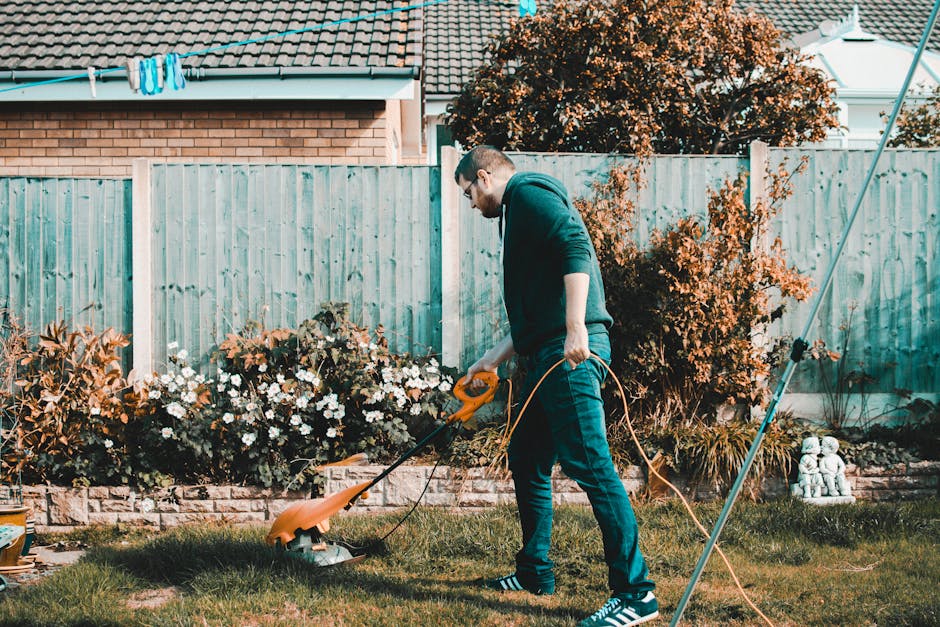
If you live in SE16, you already know the garden can quietly get away from you. A couple of wet weeks, a bit of fast spring growth, maybe a hedge that seemed fine in March and suddenly looks like it needs its own postcode by June. That is where an Affordable garden maintenance in SE16 real cost guide becomes genuinely useful: not just to show what garden care can include, but to help you understand what you should expect to pay, where the value sits, and how to avoid overspending on jobs you do not actually need.
This guide is written for people who want a tidy, healthy garden without paying silly money for it. We will look at what affordable maintenance really means, how pricing is usually built, what affects the final bill, and the practical ways to keep costs under control in a local SE16 setting. If you want a broader look at available help, the services overview is a good place to start, and if you want to understand how pricing is approached more generally, the pricing and quotes page is worth a look too.
Practical summary: cheap garden maintenance is not always affordable, and expensive garden maintenance is not always better. The best value is usually a service plan that matches the size of your garden, the season, and the amount of work your outdoor space really needs.
Why Affordable garden maintenance in SE16 real cost guide Matters
In SE16, gardens are often compact, shared, awkwardly shaped, or tucked behind terraces and flats where access is tighter than you would like. That changes the economics. A small garden can still take time if there are narrow side paths, overgrown borders, a patchy lawn, or a hedge that needs careful shaping rather than a quick hack with a strimmer. So the real cost is rarely just about square metres. It is about labour, access, waste, frequency, and whether the garden is being maintained regularly or rescued after months of neglect.
People searching for affordable help usually want one of three things: a one-off tidy-up, a simple regular maintenance plan, or a bigger reset after things have grown out of hand. Those are very different jobs. A quick mow and edge is not the same as clearing bramble, pruning shrubs, and restoring beds that have become a bit, well, feral. And to be fair, that is where many budget estimates go wrong. They assume every garden is a neat little rectangle. In SE16, that is not always the case.
Understanding cost also helps you compare value properly. A lower price may look attractive, but if the team has to come back twice, or if work is done too aggressively and damages planting, the cheap quote stops being cheap. Equally, a higher quote can make sense if it includes removal of green waste, proper disposal, lawn treatment, or more skilled work like hedge trimming or tree-related tasks. For those comparing ongoing maintenance with occasional clearance, it helps to separate routine care from one-off jobs such as garden clearance or more specialist tasks like tree lopping and removal.
Key point: affordable does not mean bare minimum. It means paying for the right work at the right frequency, with no unnecessary extras.
How Affordable garden maintenance in SE16 real cost guide Works
Garden maintenance pricing tends to be built from a few core ingredients. First is the type of work itself. Lawn mowing is usually straightforward, but trimming high hedges, clearing heavy growth, or pruning hard-to-reach shrubs takes longer and may need specialist tools. Second is frequency. A garden maintained every two to four weeks will usually cost less per visit than a garden that has been left for months, because the work is more predictable. Third is access. If tools and waste need to be carried through the house or a tight passage, that extra effort often shows up in the quote.
Most affordable garden maintenance plans are built around repeat tasks. Common examples include mowing, edging, weeding, deadheading, hedge trimming, leaf clearance, and light seasonal tidy-ups. If you want a more routine approach, a dedicated garden maintenance service is often easier to budget for than stacking one-off jobs. In practical terms, that can mean a short visit to keep things presentable rather than a full-day overhaul every few months. Little and often often wins. Not glamorous, but it works.
Here is the bit people sometimes miss: the final cost is often shaped by waste removal. Green waste bags, load size, and disposal effort all affect the price. If your garden has thick cuttings, branches, or accumulated waste from an old bed, the quote may rise even if the garden itself looks modest. That is why good pricing discussions are specific. You are not just paying for time on site; you are paying for problem-solving, clearing, hauling, and finishing properly.
For lawns in particular, regularity makes a big difference. A weekly or fortnightly cut can keep a lawn neat with minimal fuss, which is why many homeowners choose a lawn mowing service as the base of their maintenance plan. Add hedge and border work only when needed, and the budget stays more manageable.
Key Benefits and Practical Advantages
The most obvious benefit is the garden looks better. But the real value is bigger than appearance. Regular maintenance reduces the chance of a garden slipping into expensive recovery work. If you keep on top of weeds, shrubs, and lawns, you usually avoid the large spring or autumn rescue job that eats up time and money. That is the boring answer, but it is the right one.
There is also a comfort factor. A tidy garden feels easier to use. You are more likely to sit outside, let the kids run around, or just open the back door without feeling judged by a thicket. In a dense part of London like SE16, that little patch of outdoor space matters. Even a small courtyard can become a proper breathing space if it is maintained well.
Other practical advantages include:
- Less chance of overgrowth blocking access or sunlight
- Improved lawn health through regular cutting and edging
- Better control over weeds before they spread
- Safer paths, steps, and borders with fewer trip hazards
- Lower likelihood of expensive one-off remedial work later
- A garden that is easier to sell with, rent out, or simply enjoy
There is a neat side benefit too: regular maintenance helps reveal problems early. A patch of poor drainage, a dying shrub, or a fence panel hidden behind growth becomes much easier to spot once the garden is properly looked after. That early view can save money, which is the whole point really.
Who This Is For and When It Makes Sense
This guide is for homeowners, landlords, tenants, and property managers who need a realistic picture of garden maintenance costs in SE16. It also suits people with limited time, older residents who do not want to keep lifting bags of waste, and anyone who has just moved into a property and realised the garden needs more than a weekend and good intentions.
It makes particular sense if your garden has one of these profiles:
- A small to medium urban garden that needs regular mowing and light tidying
- A shared back garden where neat presentation matters
- A rental property where turnover between tenants leaves the outside space untidy
- A family garden that gets lots of use and needs safer, simpler upkeep
- A neglected space that needs a staged recovery rather than a full redesign
If your outdoor area is more than a maintenance job and starts looking like a structural project, then you may need landscaping rather than routine care. In that case, looking at landscaping or even landscape gardening is more sensible than forcing a maintenance budget to cover design and rebuild work. Different jobs, different costs. Simple as that.
It also makes sense when you want predictable spending. Many people prefer a set monthly or seasonal pattern rather than paying random one-off bills after each burst of growth. Fair enough, especially when household budgets are already under pressure.
Step-by-Step Guidance
Here is a practical way to approach affordable garden maintenance without overpaying or underbuying.
- List the actual tasks needed. Walk through the garden and note what needs doing: mowing, weeding, hedge trimming, pruning, leaf clearance, waste removal, or a full tidy-up.
- Separate routine work from recovery work. If the garden is overgrown, a one-off reset may be needed first, followed by cheaper ongoing maintenance.
- Measure the space roughly. You do not need exact surveyor precision. Just understand whether the garden is small, medium, or large, and whether access is easy or awkward.
- Decide how often maintenance is needed. Weekly, fortnightly, monthly, or seasonal schedules can all work. The right choice depends on plant growth, lawn use, and how tidy you want things to stay.
- Ask what is included. A fair quote should be clear about labour, tools, green waste handling, and whether tidy-up is included at the end.
- Check whether special tasks are separate. Hedges, small trees, decking, and large clearances may be priced apart from basic maintenance.
- Compare like with like. Two quotes are only useful if they cover the same work. Otherwise you are comparing apples and pears, which happens all the time.
- Set a maintenance rhythm. Once the garden is back under control, keep it there. That is where affordability really comes from.
If your garden includes timber features, slippery steps, or tired surfaces, it may be worth considering a broader upkeep plan with decking services alongside general maintenance. Not every garden needs that, of course. But where wood surfaces are part of the everyday use, they should not be ignored.
Expert Tips for Better Results
After years of seeing gardens at different stages of chaos, a few patterns stand out. The first is timing. Spring and early summer can be the busiest months because growth accelerates, and the quote can feel more expensive if the garden has been left too long. Booking earlier and staying ahead of growth is usually the calmer, cheaper route.
Second, be specific about priorities. If the budget is tight, decide what matters most. For some gardens, it is the lawn. For others, it is the front-facing hedge, because that is what everyone sees. For a landlord, it might be simply making sure the garden is safe and presentable between tenancies. You do not always need every plant cut back to perfection. Truth be told, perfection is expensive and slightly overrated anyway.
Third, keep the maintenance realistic. A tiny courtyard does not need the same plan as a mature garden packed with shrubs. Likewise, if your garden is shaded and slow-growing, monthly visits may be enough. If it is full of fast-growing climbers and a lawn that never seems to sit still, a shorter gap between visits may save money over the year.
Other sensible tips:
- Ask for a breakdown rather than a single vague figure
- Keep pathways and waste access clear before the visit
- Group tasks together to reduce repeat call-out effort
- Use regular mowing to prevent lawn recovery costs
- Trim hedges before they become too bulky and time-consuming
And one small thing that makes a surprisingly big difference: keep notes after the first visit. What was done, how long it took, and what still needs attention. That little record makes future pricing much easier.
Common Mistakes to Avoid
The biggest mistake is choosing on price alone. The cheapest quote can leave out waste disposal, leave the site untidy, or ignore the slower parts of the job. Sometimes you only find that out after the first visit, which is annoying in a very familiar way.
Another common error is buying a one-off clear-up and then letting the garden slip straight back. It is a bit like washing the car once and parking under a tree for six months. The problem was never solved, only paused.
Watch out for these too:
- Assuming all quotes include the same tasks
- Failing to mention access problems, steep steps, or rear-entry issues
- Ignoring seasonal growth and booking too late
- Confusing general maintenance with specialist work
- Leaving pruning or hedge cutting so long that the task becomes heavier and more expensive
- Not asking what happens with green waste
Another subtle mistake is overcommitting. Some people order more work than they need because they want everything fixed in one visit. Sometimes that is sensible; sometimes it is just an expensive way to panic. A staged approach is often better for both budget and results.
Tools, Resources and Recommendations
You do not need a van full of equipment to manage costs well, but it helps to understand what professionals are typically using and why. A good maintenance visit may involve lawn mowers, edging tools, hedge trimmers, secateurs, rakes, shears, wheelbarrows, and waste bags or bins. For more complicated or higher-risk work, specialist kit may be needed. That is one of the reasons a quote can change quickly if the job description changes halfway through. It happens. Often enough.
If you are planning a maintenance schedule, these are the most useful starting points:
- Simple task list: what needs doing now, what can wait, and what keeps coming back
- Seasonal calendar: a rough note of when growth is fastest or when leaf fall becomes a nuisance
- Budget cap: the maximum you want to spend per visit or per month
- Priority ranking: lawn, hedge, beds, patio edges, trees, waste removal
If sustainability matters to you, ask how cuttings and waste are handled. The site's recycling and sustainability page is relevant if you want to understand how materials and green waste are approached responsibly. That is often a decent question to ask before you agree anything, especially when there is a lot of organic waste to move.
For companies or residents who want reassurance around professionalism, it is worth reviewing insurance and safety and the health and safety policy. Not because paperwork is exciting. It is not. But because garden work can involve ladders, blades, awkward lifting, and uneven ground, and those things deserve care.
Law, Compliance, Standards, or Best Practice
For routine garden maintenance, the main thing is not to treat it casually just because it is outdoors. In the UK, sensible practice around safety, waste handling, access, and site cleanliness matters. If work involves ladders, cutting tools, chainsaws, or tree-related tasks, good operators should work carefully, communicate clearly, and avoid shortcuts that put people or property at risk.
Best practice usually means:
- Using appropriate protective equipment where needed
- Keeping pathways and work areas safe during the job
- Managing waste properly and leaving the site tidy
- Being clear about what is included in the price
- Respecting neighbours, shared spaces, and access routes
If you live in a block, terrace, or shared property, there may also be practical site rules about access, noise, or waste placement. These are often local or property-specific rather than universal, so it is best not to assume. A little early communication saves hassle later, and honestly, saves everyone the awkward conversation at the gate.
On the customer side, clear terms matter too. Reviewing terms and conditions helps you understand how quotes, cancellations, and scope changes are handled. If you want to know more about how information is processed on the site, the privacy policy is there as well. That sort of transparency is part of a trustworthy service, not a bonus.
Options, Methods, or Comparison Table
Choosing the right approach depends on whether your garden needs a reset, light upkeep, or a long-term plan. The table below gives a practical comparison.
| Option | Best for | Typical cost pressure | Pros | Watch-outs |
|---|---|---|---|---|
| One-off tidy-up | Neglected gardens, moving house, seasonal refresh | Higher upfront, variable by condition | Fast visible improvement, useful reset | Can become costly if the garden is very overgrown |
| Regular maintenance | Homeowners and landlords who want predictable upkeep | Usually easier to budget | Better value over time, less growth build-up | Needs consistency to stay affordable |
| Task-based visits | People who only need certain jobs done | Flexible, but can rise if jobs are piecemeal | Targeted spending, good for tight budgets | May cost more per task if visits are scattered |
| Broader garden improvement | Spaces needing design or structural changes | Usually the highest cost band | Can transform how the garden works | Not the same as maintenance; budget needs to be realistic |
In a place like SE16, the most cost-effective option is often regular maintenance with occasional larger interventions when needed. That avoids the boom-and-bust cycle where everything is allowed to grow, then everything has to be paid for at once. Nobody enjoys that bill. Nobody.
Case Study or Real-World Example
Here is a realistic scenario. A small SE16 back garden has a modest lawn, a narrow path, a few border shrubs, and a hedge along one side. It has been left for around two months in late spring. The first visit is not just a mow. The lawn is longer than ideal, the hedge has started to flare out, and weeds have pushed into the edging. The job is still straightforward, but it is now more time-consuming than it would have been if maintenance had happened earlier.
What does the owner do? They split the work into two stages. First, the garden is brought back into shape with mowing, edging, weed removal, and hedge trimming. Then a lighter maintenance plan is set up every few weeks to stop the same thing happening again. That second stage is where the savings come from. The first stage restores the garden. The second stage keeps it affordable.
In another common example, a landlord preparing a rental property may only need the outside space to look clean, safe, and manageable for incoming tenants. That usually means targeted work rather than design changes. A service like garden clearance can help if the site is cluttered or has accumulated waste, while ongoing upkeep keeps the property presentable between occupancies.
The lesson is simple: the cheapest plan on paper is not always the cheapest plan over a year. A modest, regular investment often beats repeated emergency jobs. It is a quieter way to manage the garden, and usually a kinder one too.
Practical Checklist
Use this checklist before you book anything:
- Confirm whether you need one-off work, regular maintenance, or both
- List the exact tasks: mowing, hedge trimming, weeding, pruning, clearance
- Check access to the garden and any steps, gates, or narrow routes
- Decide whether waste removal must be included
- Ask how often the garden should be maintained to stay under control
- Make sure the quote describes the same work you actually want
- Check whether any specialist work sits outside routine maintenance
- Review insurance, safety, and terms before agreeing
- Choose a schedule that fits your budget and growth rate
- Set a reminder for the next visit so the garden does not drift again
If you want a more structured starting point, it is sensible to explore the wider about us and services overview pages so you can understand the service style and scope before you book. That small bit of homework can make the whole process calmer.
Conclusion
Affordable garden maintenance in SE16 is not about hunting for the lowest number and hoping for the best. It is about matching the work to the garden, choosing the right frequency, and understanding where the real costs sit. Once you know whether you need mowing, hedge trimming, light seasonal tidy-ups, or a proper clearance, the budget becomes much easier to control.
The real win is consistency. Keep on top of the garden and it usually stays manageable. Let it slide and the same space can turn into a bigger, pricier job before you know it. In a busy part of London, that little bit of rhythm matters more than most people think. And yes, the garden will always try to fight back after rain. That is just part of the deal.
Get a free quote today and see how much you can save.
Frequently Asked Questions
What does affordable garden maintenance usually include in SE16?
It usually includes the most regular upkeep tasks such as lawn mowing, edging, weeding, light pruning, hedge trimming, and clearing away small amounts of green waste. The exact mix depends on the garden and how often it is visited.
How can I keep garden maintenance costs down without neglecting the garden?
The best way is to book maintenance regularly rather than waiting until everything is overgrown. Little and often tends to be cheaper over time, because the work stays manageable and does not turn into a full recovery job.
Is a one-off tidy-up cheaper than ongoing maintenance?
Not usually over the long term. A one-off tidy-up may suit an overgrown garden or a move-in/move-out situation, but routine maintenance often works out better value because it prevents the garden from getting expensive to rescue.
Why do quotes vary so much for the same-looking garden?
Because the visible size is only part of the story. Access, waste volume, hedge height, lawn condition, hidden growth, and whether tools or extra labour are needed can all change the price.
Do I need to pay extra for green waste removal?
Often, yes. Some quotes include it and some do not. It is always worth checking, because the amount of cuttings and waste can have a noticeable impact on the final cost.
How often should a typical SE16 garden be maintained?
That depends on the garden. Fast-growing lawns and hedges may need attention every couple of weeks in peak season, while smaller or slower-growing spaces may only need monthly or seasonal care.
What is the difference between garden maintenance and landscaping?
Garden maintenance is about keeping an existing garden tidy, healthy, and under control. Landscaping is broader and may involve redesigning the space, changing levels, adding new features, or carrying out structural work.
Can I combine lawn mowing and hedge trimming in one visit?
Yes, and that is often a sensible way to save money. Combining tasks can make the visit more efficient, especially if the garden already needs a general tidy-up.
What should I ask before accepting a quote?
Ask what is included, what counts as extra, whether waste removal is covered, how long the visit is expected to take, and whether the work is one-off or part of a longer plan. Clear answers make comparison much easier.
Is regular garden maintenance worth it for a small garden?
Absolutely. Small gardens can look neat with relatively little work, but they can also become messy quickly. Regular care helps keep them usable, presentable, and cheaper to manage.
Do I need specialist help for trees or large hedges?
If the work involves tall hedges, larger branches, or anything that feels unsafe to tackle casually, specialist help is the safer option. Tree-related work and heavier cutting are not the place for guesswork.
How do I know if I am being overcharged?
If the quote is vague, if tasks are not broken down clearly, or if basic items like waste handling are hidden until later, that is a warning sign. A fair quote should make practical sense and be easy to understand.